
Essential Wood Carving Texture Techniques for Stunning Results
Transform flat wood surfaces into captivating art with these proven texture techniques: V-tool crosshatching for geometric patterns, gouge stippling for organic textures, directional carving for movement, and faceting with chisels for light play. Start with simple stippling on soft basswood using basic punches, then progress to complex layered textures combining multiple tools. Plan texture placement during design phase and consider how finishing will enhance your surface effects.
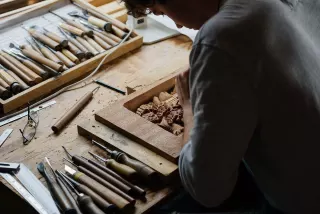
Wood carving texture techniques transform ordinary wooden surfaces into extraordinary works of art that captivate viewers through visual depth and tactile appeal. Whether you're creating realistic animal fur, flowing water effects, or geometric patterns, mastering texture methods elevates your carving from simple form to compelling narrative. These surface treatment approaches don't just add visual interest - they create the illusion of movement, suggest different materials, and guide the viewer's eye across your piece in deliberate ways. Understanding how to apply these traditional wood carving techniques opens up unlimited creative possibilities for both functional and artistic pieces.
Table of Contents
- Wood Carving Texture Techniques: Understanding the Fundamentals
- Essential Tools for Creating Wood Surface Textures
- Basic Textural Effects Every Carver Should Master
- Advanced Surface Pattern Methods for Professional Results
- Planning Texture Placement in Wood Carving Designs
- Finishing Techniques That Enhance Carved Textures
- Common Texture Problems and Professional Solutions
- Frequently Asked Questions
Wood Carving Texture Techniques: Understanding the Fundamentals

Successful wood carving texture techniques begin with understanding how texture functions within your overall design. Texture isn't merely decorative - it serves specific purposes that enhance your carving's emotional impact and visual hierarchy. Professional carvers recognize that texture creates contrast between different elements, suggests various materials and surfaces, and manipulates how light interacts with the wood to create depth and dimension.
The psychological impact of texture cannot be overstated in woodcarving. Smooth, polished surfaces suggest refinement and elegance, while rough, heavily textured areas convey natural authenticity or dramatic tension. By thoughtfully combining these contrasting approaches, you create visual rhythm that keeps viewers engaged with your piece. Understanding these principles helps you make deliberate choices about where and how to apply different wood carving techniques for maximum artistic effect.
How Light Interacts with Textured Surfaces
Light becomes your collaborator when working with wood surface texture creation. Different texturing methods catch and reflect light in unique ways, creating shadows and highlights that bring your carving to life. Deep V-cuts cast sharp shadows that emphasize linear elements, while stippled surfaces create subtle shadow patterns that suggest organic textures like skin or bark.
Consider these light interaction principles when planning your texture work:
- Directional lighting reveals texture details most effectively when positioned at acute angles to the surface, creating dramatic shadow play that emphasizes carved elements
- Ambient lighting softens texture effects while maintaining visible surface variation, perfect for pieces displayed in naturally lit spaces
- Overhead lighting flattens some textures while enhancing others, making it crucial to test your work under intended display conditions
- Moving light sources like candles or changing daylight create dynamic effects as shadows shift across textured surfaces throughout the day
Essential Tools for Creating Wood Surface Textures

Creating professional-quality surface textures in woodcarving requires understanding which tools produce specific effects. While you might already own many texture-creating implements, recognizing their full potential transforms your approach to surface treatment. Each tool leaves its distinctive signature on wood, and mastering these signatures allows you to create exactly the visual effects your design demands.
Traditional Hand Tools for Texture Creation
V-tools and parting tools serve as the foundation for most linear texture work. These specialized chisels excel at creating crisp lines, geometric patterns, and hair-like textures that require precise control. Different sweep angles produce varying line weights, allowing you to create subtle variations within the same textural area.
Essential traditional tools for texture work include:
- U-gouges in various sweeps for creating curved channels, scalloped patterns, and flowing organic textures that suggest natural forms
- Straight chisels for faceting that create angular, geometric surface treatments perfect for architectural details or modern design elements
- Bent tools for accessing curves that allow texture application on concave and convex surfaces where straight tools cannot reach
- Specialized punches and stamps for repetitive patterns that maintain consistency across large textured areas while saving time
Power Tools That Revolutionize Texture Work

Modern power carving tools dramatically expand your texture-creation capabilities while reducing the physical effort required for large projects. Rotary tools with specialized bits excel at creating fine stippling effects, while angle grinders produce bold, sweeping textures impossible to achieve by hand. Learn more about selecting the right equipment in our comprehensive wood carving tools guide.
Power tool applications for texture include:
- Rotary tools with diamond burrs for precise stippling and engraving effects that create photorealistic textures in small areas
- Chain saw attachments for aggressive texture removal that creates dramatic, rustic surface treatments perfect for outdoor sculptures
- Pneumatic chisels for repetitive texture work that maintains consistency while reducing hand fatigue during extended carving sessions
- Wire brushes and abrasive tools for finishing textured surfaces and creating subtle variations in existing texture patterns
Basic Textural Effects Every Carver Should Master

Building proficiency in fundamental texture methods provides the foundation for all advanced surface treatments. These basic approaches teach essential principles of depth creation, pattern consistency, and tool control that apply to more complex techniques. Start with these methods using appropriate wood species that respond well to texturing work.
Crosshatching and Linear Pattern Techniques
Crosshatching with V-tools creates geometric patterns that add sophisticated visual interest to flat surfaces. This technique involves cutting intersecting lines at various angles to produce diamond, square, or triangular patterns that catch light beautifully. The key to successful crosshatching lies in maintaining consistent depth and spacing throughout the pattern.
Master these linear texturing approaches:
- Parallel line patterns using consistent tool pressure create uniform textures perfect for representing wood grain, fabric, or architectural elements
- Radiating patterns that emanate from central points suggest natural growth patterns or energy flow in abstract designs
- Curved line textures following the form's natural contours enhance three-dimensional qualities while maintaining surface unity
- Varied-depth crosshatching creates tonal gradations that suggest shading and volume in relief carvings
Stippling and Punched Texture Methods

Stippling techniques excel at creating organic textures that suggest skin, bark, stone, or fabric through carefully controlled point patterns. Using various punches, awls, or improvised tools, you can achieve remarkably realistic surface effects that convince viewers they're seeing different materials entirely.
| Texture Type | Tool | Best Wood | Application |
|---|---|---|---|
| Fine Stippling | Small awl or nail set | Basswood, Butternut | Animal skin, fabric texture |
| Medium Stippling | Round punch, 3-5mm | Pine, Poplar | Tree bark, rough stone |
| Bold Stippling | Large punch, 6-10mm | Oak, Maple | Dramatic backgrounds, borders |
| Random Stippling | Various sized tools | Any softwood | Natural rock, weathered surfaces |
Advanced Surface Pattern Methods for Professional Results

Professional wood carving texture techniques combine multiple methods to create sophisticated surface treatments that rival master craftsmen's work. These advanced approaches require patience and practice but produce stunning results that elevate your carving to museum quality. Study examples from traditional Japanese carving masters to understand how complex textures contribute to overall artistic impact.
Layered Texture Combinations
Combining multiple texture techniques creates depth and complexity impossible to achieve with single methods. Professional carvers often start with bold, structural textures as foundations, then add finer details that provide visual interest without overwhelming the primary design elements.
Effective layering strategies include:
- Foundation roughing with power tools followed by hand tool refinement creates organic textures with controlled chaos that suggests natural weathering or erosion
- Geometric base patterns enhanced with organic details blend architectural precision with natural softness for compelling visual contrast
- Graduated texture transitions that move from smooth to heavily textured areas guide viewer attention while maintaining visual flow
- Selective texture application that emphasizes certain design elements while leaving others smooth creates powerful focal points
Creating Movement Through Directional Texturing

Directional texture application transforms static wood into dynamic compositions that suggest movement, growth, or energy flow. This advanced technique requires understanding how the human eye follows lines and patterns, allowing you to choreograph the viewer's visual journey across your piece.
Consider exploring additional texture methods with common tools to expand your creative options and discover new approaches to surface treatment.
Planning Texture Placement in Wood Carving Designs

Strategic texture placement determines whether your carving achieves professional impact or appears amateurish and cluttered. Successful carvers plan texture locations during the design phase, considering how different surface treatments will interact with each other and with the overall composition. This planning prevents the common mistake of adding texture as an afterthought, which rarely produces satisfying results.
Design Principles for Effective Texture Use
Understanding visual hierarchy through texture allows you to control which elements attract attention first and how the viewer's eye moves through your composition. Rough, heavily textured areas naturally draw attention, while smooth surfaces provide visual rest areas that prevent sensory overload.
Apply these design principles to your texture planning:
- Contrast creates emphasis by placing smooth and textured areas adjacent to each other, making both more noticeable and impactful
- Rhythm through repetition uses similar textures in multiple locations to create visual unity and guide eye movement across the piece
- Scale relationships ensure that texture size matches the carving's overall dimensions - fine textures on large pieces disappear, while bold textures overwhelm small work
- Functional considerations reserve heavily textured areas for non-contact surfaces on functional pieces to maintain usability
For inspiration and examples of exceptional texture planning, explore our showcase of luxury custom woodcarving projects that demonstrate professional-level surface treatment integration.
Finishing Techniques That Enhance Carved Textures

The finishing process dramatically influences how your textured surfaces appear in the completed piece. Different finish types interact uniquely with textured wood, either emphasizing or subduing surface variations depending on your artistic goals. Understanding these interactions allows you to enhance your texture work during the finishing phase, sometimes transforming good texture into exceptional visual effects.
Finish Selection for Different Texture Types
Oil finishes penetrate textured surfaces differently than smooth ones, creating natural color variations that enhance the three-dimensional qualities of your carving. These penetrating finishes darken recessed areas more than raised portions, creating automatic shadow effects that emphasize texture depth.
For specialized finishing guidance, learn proper wood staining techniques that complement textured surfaces. You might also explore advanced texture creation methods from professional carving tool experts for additional technique refinement.
Common Texture Problems and Professional Solutions

Even experienced carvers encounter texture-related challenges that can compromise their work if not addressed promptly and correctly. Recognizing these common problems and knowing their solutions prevents frustration and saves countless hours of rework. Most texture problems stem from inadequate planning, improper tool selection, or insufficient understanding of wood grain behavior.
For comprehensive guidance on avoiding common pitfalls, refer to our detailed guide for woodcarving beginners that covers fundamental technique issues that affect texture work quality.
Frequently Asked Questions
The best beginner texture techniques include simple crosshatching with V-tools, stippling with punches, and directional carving with gouges. These methods require basic tools and create immediate visual impact while teaching fundamental texture principles.
Angle grinders and power carving tools create the most dramatic texture effects, producing deep grooves and bold surface variations. However, traditional gouges and chisels can also create striking contrasts when used with proper technique and planning.
Plan texture placement by sketching your design first, identifying areas for smooth versus textured surfaces, and considering how light will interact with your piece. Use texture to guide the viewer's eye and enhance the three-dimensional qualities of your carving.
Basswood and butternut excel for fine texture work due to their even grain and soft texture. Pine and poplar work well for medium textures, while hardwoods like oak and maple suit bold, dramatic texture effects but require sharper tools.
Finishing dramatically affects texture appearance. Oil finishes enhance depth by darkening recessed areas, wax creates subtle highlights on raised portions, and clear coats can flatten texture effects if applied too heavily. Test finishes on sample pieces first.
Yes, combining multiple texture techniques creates sophisticated visual effects. Start with bold foundational textures, then add finer details. Ensure texture combinations support your overall design rather than competing for attention.


